Tuesday, May 8, 2012

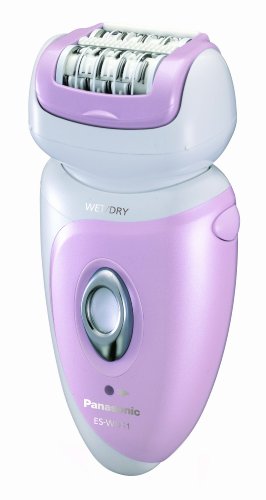
Panasonic ES-WD51-P Epiglide Ladies Wet Dry Epilator, Pink

Panasonic ES-WD51-P Epiglide Ladies Wet Dry Epilator, Pink

Panasonic ES-WD51-P Epiglide Ladies Wet Dry Epilator, Pink
Brand : Panasonic | Rate : | Price : $61.28
Post Date : May 08, 2012 19:15:09 | Usually ships in 24 hours

Panasonic ES-WD51-P Epiglide Ladies Wet Dry Epilator, Pink

Hair Remover

Panasonic Epiglide Wet/Dry Epilator works great for removing unwanted hair over your skin. It works gently on the skin and removes hair comfortably and in very less time. ItÆll give you a smooth, beautiful and shiny skin within few minutes.

  • Fully immersible and hygienic
  • Wet/dry cordless operation
  • Hypoallergenic blades

The rapid hair removal discs in this epilator removes hair over the skin rapidly and easily.


Just For You: All hair types

A Closer Look: Panasonic Epiglide Wet/Dry Epilator is equipped with 48 rotating and tweezing discs that helps remove unwanted hair rapidly. There is pivoting head system that glides from one side to another and gently removes hair.

Get Started: Turn on the power of the epilator and gently remove unwanted hair from over your skin.

More Specification..!!

Disclaimer : This site/page does not included in any the parts with amazon.com but it is participant in the amazon services LLC associates program by advertising and linking to amazon.com , Certain content that appears on this site comes from amazon services LLC. This content is provided 'as is' and is subject to change or removal at any time.

Mlcs Bits Best Quality Discounted Kids Projector Lamps

Wednesday, April 25, 2012

Revitalash Advanced Eyelash Conditioner, 0.118 Fluid Ounce

Revitalash Advanced Eyelash Conditioner, 0.118 Fluid Ounce

Brand : RevitaLash
Rate :
Price : $71.81
Post Date : Apr 25, 2012 08:16:05
Usually ships in 1-2 business days

Revitalash Advanced Eyelash Conditioner, 0.118 Fluid Ounce

Revitalash Advanced Eyelash Conditioner, 0.118 Fluid Ounce

Revitalash advanced eyelash conditioner is clinically tested and extrememly safe and effective.

Disclaimer : This site/page does not included in any the parts with amazon.com but it is participant in the amazon services LLC associates program by advertising and linking to amazon.com , Certain content that appears on this site comes from amazon services LLC. This content is provided 'as is' and is subject to change or removal at any time.

Discounted Armitron Watch

Friday, April 6, 2012

Clarisonic Mia(TM) Skin Cleansing System - Pink

Clarisonic Mia(TM) Skin Cleansing System - Pink

Clarisonic Mia(TM) Skin Cleansing System - Pink

Rate : | Price : $98.85 | Post Date : Apr 06, 2012 22:38:16
Usually ships in 1-2 business days

Mia is the new, go-anywhere Sonic Skin Cleansing System in a great compact size. The one-button, one-speed Mia fits your active lifestyle for beautiful, glowing skin wherever life’s adventures take you. All the great benefits of the Clarisonic Classic in a new, smaller size. The perfect compact cleansing system for use at home or on the go.

Disclaimer : This site/page does not included in any the parts with amazon.com but it is participant in the amazon services LLC associates program by advertising and linking to amazon.com , Certain content that appears on this site comes from amazon services LLC. This content is provided 'as is' and is subject to change or removal at any time.

Deals For Lixit Dropper 3ml And Syringe 10ml...

Thursday, March 29, 2012

Thermal Spa 49135 Professional U/V Gel Light Nail Dryer

Thermal Spa 49135 Professional U/V Gel Light Nail Dryer

Brand : Thermal Spa
Rate :
Price : $56.95
Post Date : Mar 29, 2012 03:45:17
Usually ships in 24 hours

Thermal Spa 49135 Professional U/V Gel Light Nail Dryer

Thermal Spa 49135 Professional U/V Gel Light Nail Dryer

Thermal spa professional u/v light gel dryer for beautiful manicures. with 45 watts of power reduces drying time for u/v top coat and gel applications. made with heavy-duty steel construction for durability, with a sleek design.

Disclaimer : This site/page does not included in any the parts with amazon.com but it is participant in the amazon services LLC associates program by advertising and linking to amazon.com , Certain content that appears on this site comes from amazon services LLC. This content is provided 'as is' and is subject to change or removal at any time.

Price Philips Led Icicle Lights Weller Wlc 100 Order Good Bargain Braun 7281

Thursday, February 2, 2012

P'kolino Children Desk, White

!±8± P'kolino Children Desk, White


Rate : | Price : $74.99 | Post Date : Feb 02, 2012 19:32:38
Usually ships in 24 hours

P'kolino Children's DeskA Stylistically-Compact, Playful Work Space! Specially designed for little ones with big ideas, the P'kolino Children's Desk is a child favorite. With it's ample working space for paper, books, and puzzles, it is ideal for project based learning or the budding artist.This all-in-one design with ergonomically positioned built-in seat means little ones do not need to struggle with finding or positioning their chair. The seat is an optimal 12 inches high with a smart storage

11.70 Ct Round E/f Vs Certified Semi Bezel Set Natural Diamond Tennis Br... Purchase Fan Light Heater Decide Now Shop 2011 Hw Racing 92 Ford Mustang 9/10...

Sunday, January 1, 2012

Write a Bankable Business Plan - Ten Action Steps

!±8± Write a Bankable Business Plan - Ten Action Steps

Action Step # 1
Define Your Company: What will you accomplish for others?

Write down all the specific needs your company will satisfy. Potential investors need to know that your business will be meaningful and marketable to people who can use your product or service. So concentrate on the external needs your company will meet. What will your product or service enable people to do better, more cheaply, more safely, or more efficiently? Will your restaurant make people's palates delirious with new taste sensations? Will your new mouse trap help people capture mice without feeling sick to their stomachs? Will your new bubble gum scented bubble bath revolutionize the way children agree to take nightly baths?

Think of all the positive benefits your company will provide. Write them down. Admire them. Absorb them into your consciousness. Believe in them. These are the primary motivators that readers of your business plan will respect and value.

Action Step # 2
Identify Your Company's Initial Needs: What will you require to get started?

Whether you want to buy an existing company with 300 employees or you can start your business by only adding an extra phone line to your home office desk, you need to make a list of the materials you'll need. Some may be tangible, such as five hundred file folders and a large cabinet in which to store them all. Other requirements may be intangible, such as time to create a product design or to do market research on potential customers. You may need to hire an assistant to develop a retrievable filing system for the five hundred folders, or hire a consultant to set up a computer system that's beyond your technical skills.

If you're going to build a better mousetrap, you may have constructed a prototype out of used toothpaste tubes and bent paperclips at home, but you'll need a sturdier, more attractive model to show potential investors. What exactly will your mousetrap look like? What materials will you need? Do you require money for research and development to improve on your original toothpaste tube and paper clip construction? Do you need to hire an engineer to draw up accurate manufacturing designs? Should you patent your invention? Will you need to investigate federal safety standards for mousetraps?

Next, do your homework. Call a real estate broker and look at actual retail spaces in the neighborhood where you'd like to open your restaurant. Make a chart of the most expensive and least expensive sites by location and square footage. Then estimate how much space you require and how much money you'll need to allow for rent.

Make a list of all the tangible and intangible resources you need to get your business going. The total estimated price of all of these items will become your start-up cost whether you're buying highly sophisticated computers or simply installing a new telephone line on your desk. If there's any item in your estimates that seems unreasonably high, research other alternatives. But keep in mind that it's better to include every element you truly need along with a reasonable estimate of the cost of each item, so you don't run out of money or default on your loans. Be honest and conservative in your estimates, but also be optimistic.

Action Step # 3
Choose A Winning Strategy: How will you distinguish your product or service from others?

Although there are millions of types of businesses, there are actually only a few basic strategies that can be applied to make any enterprise successful. The first step in selecting an effective strategy is to identify a competitive advantage for your product or service. How will you establish that your product or service is better, cheaper, more delicious, or more convenient? How can you make your company more noticeable than your competitors? What restraints in your business or its industry might determine which strategy you choose?

Your competitive advantage may include designing special features not found in rival products. It may entail superior service characteristics such as speedier delivery, a lower price, or more attentive sales people. Perhaps you're establishing an image or brand of exceptional quality or reputation. Does your product or service bestow a certain status on its users? Does it create more profits or other benefits for your customers' own endeavors?

Perhaps you want to position your mousetrap for a primarily upscale market because the best design requires titanium and manufacturing costs will be so expensive only rich people will be able to afford your product. But maybe the mousetrap is so fantastically effective that wealthy people will want hundreds of them around their vast country homes and polo pony barns.

You must have a reason why your business will succeed. This is the competitive advantage your product or service will deliver. Once you've established the competitive advantage, you will be able to select the best strategy to reach your goal.

Action Step # 4
Analyze Your Potential Markets: Who will want your product or service?

To determine your targeted market, write down the demographics of the people who will use your product or service. How old are they? What do they do for a living? Will mostly women use your service? Is your product or service attractive to a particular ethnic or economic group of people? Will only wealthy people be able to afford it? Does your ideal customer live in a certain type of neighborhood, such as a suburb with grass lawns, in order to use your lawn mower? Answering these questions about the demographics of your prime market will help you establish the clear characteristics of the people you need to reach.

If you're selling soap, you may believe that every dirty body needs your product, but you can't start with the entire world as your initial market. Even if you've developed such a ubiquitous item as soap, you need to identify a smaller, more targeted customer group first, such as children under eight for the bubble gum scented bubble bath. If your soap only works with pumped well water without fluoride, you must acknowledge that your intended market has geographical limits as well.

Establishing the size of your potential market is important, too. This will be easier once you've completed the demographic analysis. Then you'll be able to research the numbers: How many car mechanics, house painters or bathroom contractors are there in any given community? How many children in the United States are currently under the age of eight? How much soap will they use in a month or a year? How many other soap manufacturers already have a share of the market? How big are your potential competitors? And where do you find the answers to all of these questions?

Identifying your market is one of the great satisfactions of starting your own business. You're thinking about the actual people who will use your product or service and how pleased they will be buying it as you are selling it.

Action Step # 5
Develop a Strong Marketing Campaign: How will you reach your customers and what will you say?

Entrepreneurs, especially inventors, often believe that their business concept is so spectacular that promoting their product or service won't be necessary. Sort of a "build it and they will come" attitude, especially if what you're building is the proverbial better mousetrap. One of the most common flaws I see in plans is the entrepreneur's failure to describe exactly how customers will be reached and how products will be presented to them. Potential investors, staff, and partners won't be convinced that your idea can succeed until you've established well-researched and effective methods of contacting your customers - and the assurance that once you've reached them, you can convince them to buy your product or service.

Marketing describes the way you will position your product or service within your target market and how you will let your potential customers know about your company. Positioning your company means concentrating on the competitive advantages you have identified: will your product or service distinguish itself by its superior quality, its revolutionary features or its ability to make your customers happier than they've ever been in their lives? Marketing helps you focus on identifying your competitive advantage so you can position your product or service. It also establishes the best ways to reach your potential customers and what to say to them.

When you have the right marketing campaign in place, you have an operating plan to gain market share, generate revenue, and bring your financial projections into reality.

Action Step # 6
Build A Dynamic Sales Effort: How will you attract customers?

The word "sales" covers all the issues related to making contact with your actual customers once you've established how to reach them through your marketing campaign. How will you train your sales staff to approach potential customers? Will you divide up your sales staff so some become experts in selling your bubble gum scented bubble bath to small, independent retail toy stores? Will other salespeople concentrate on developing relationships with major manufacturers so your product could be sold in tandem through their national distribution outlets? Will you have a sales force expert in buying television slots on Saturday morning cartoon shows or placing ads on the backs of kid-oriented cereal boxes?

What advertising and promotional efforts will you employ - two for the price of one specials or free coupons inside those same kid-oriented cereal boxes? Where can you locate lists of the greatest concentrations of children under the age of eight or whatever group constitutes your market?

In planning your sales activities, you will also need to answer questions such as: Is it ethical to contact your colleagues and clients from your former job as a door-to-door soap salesperson to tell them about your new business. Will you be the only salesperson in the beginning stages of your company? When will you know it's time to hire more sales staff? How do you convince your clients that your sales staff will take care of them as well as you did? What will your basic sales philosophy be - building long-term relationships with a few major clients or developing a clientele of many short-term customers?

You will also need to consider how you will compensate your sales staff - with a base salary plus a commission? Will you hire full time staff with full benefits, or part time staff without benefits. How will you motivate your staff to do the best sales job possible?

Knowledge of your competitive advantage is just as important in designing a dynamic sales effort as it is in developing an effective marketing campaign. You'll need to think about what product or service qualities will be the most compelling to your prospective customers. Then you'll have to devise convincing language that clearly communicates this competitive advantage to your sales staff who will in turn use it when talking to your customers. In my experience, the most important element of an effective sales effort is having a sales staff that thoroughly understands your business and the needs or your potential customers. Therefore, your sales plan must address the issue of how you will create a sales staff that is as knowledgeable about your business as it is about your potential customers.

Action Step # 7
Design Your Company: How will you hire and organize your workforce?

By the time you've reached this stage of thinking about your potential business concept, you'll probably have a good idea of the number of people you'll need and the skills they'll require to get your enterprise up and running. Keep in mind that your initial plans will undoubtedly change as your business grows. You may need to hire more managers to supervise your expanding staff or to set up new departments to meet new customer demands. Projected growth and expansion for your company should be mentioned in your business plan, but it's not the primary focus. For now you want to secure help in getting started and convince your funding sources that you will become profitable.
Investors will want to know if you're capable of running the business. Do you need to bring in experienced managers right away? Will you keep some of the existing employees or hire all new people? And where do you find these potential employees?

Funding sources will also want to know if any of your partners expect to work along side of you or if their obligations are only financial.

Your plan will need to specify the key management jobs and roles. Positions such as president, vice presidents, chief financial officer, and managers of departments will need to be defined along with stating who reports to whom. You may hope to run your company as one big happy family - and it may work out that way - but organizations require formal structure and investors will expect to see these issues addressed in your plan.

And as soon as you have employees, you need to consider how you will handle their salaries and wages, their insurance and retirement benefits, as well as analyzing the extent of your knowledge of tax related issues. As you think about hiring personnel and organizing your workforce, you must also confront your desire and ability to be a good boss. If you haven't contemplated this aspect of your commitment to owning your own business, now is the time to give it serious consideration.

Action Step # 8
Target Your Funding Sources: Where will you find your financing?

As your business concept begins to take shape, you can begin to home in on the most likely financing sources. Issues such as the size of your business, the industry it is in, whether you are starting a new business or buying an existing one, and whether you can provide collateral to a lender are among the issues that must be considered in creating a target list of funding sources. Banks and other funding sources don't lend money because people with interesting business ideas are nice. They follow specific guidelines, such as the RMA database, which are designed to insure that they will make money by investing in or lending to your business.

For the vast majority of entrepreneurs, the well-known, high profile means of raising money, such as through venture capital companies or by going public, are not viable options. Your own credit, credit rating, and business history are key factors in obtaining financing for your venture through Small Business Administration (SBA) guaranteed loans and other bank credit. Your ability to tap into your personal network of friends, family, and professional contacts is crucial to raising money beyond what your own personal funds or credit can provide. In all of these cases, there are important considerations such as the potential impact on relationships when family and friends become investors.

When you have completed this process of identifying the likely potential funding sources and writing a bankable business plan that addresses their needs and answers their questions (even before they ask them!), you will have greatly increased the likelihood of obtaining the financing you need.

Action Step # 9
Explain Your Financial Data: How will you convince others to invest in your endeavor?

The accuracy of your financial figures and projections is absolutely critical in convincing investors, loan sources and partners that your business concept is worthy of support. The data must also be scrupulously honest and extremely clear. Since banks and many other funding sources will compare your projections to industry averages in the Risk Management Association (RMA) data, I've stressed throughout my book how you can use the RMA figures to test your projections before the bank does. Your numbers will be more credible if they compare reasonably to the industry averages.

The actual number crunching portion of your business plan is the place to discuss how and why you need certain equipment, time or talent, how much these items will cost, when you expect to turn a profit, and how much return and other benefits your investors will receive.

More new businesses fail because they simply run out of cash reserves than for any other reason. Investors lose confidence in the entrepreneur and the business and become reluctant to invest more when projections are not met. Had the projections been less optimistic and the investors asked to invest more in the beginning, they probably would have done so. In most cases, proper planning and more accurate projections could have avoided this problem completely.

Your business plan should clearly state the amount of funds you need, how soon you require them, and how long before you start repaying investors. You should also explain what type of financing you hope to acquire, either equity (such as through the sale of ownership shares in your company) or debt (such as loans to the company).

If you're planning to buy an existing business or already own a business you would like to improve or expand, you will also need to provide a detailed historical financial summary of how well - or poorly - the business has done in the past. This analysis should also include a comparison of this venture's financial performance compared to the industry standards.

Action Step # 10
Present Yourself in the Best Light: What are your qualifications for bringing your plan to fruition?

The talents, experience and enthusiasm you bring to your enterprise are unique. They provide some of the most compelling reasons for others to finance your concept. Keep in mind that investors invest in people more than ideas. Even if your potential business has many competitors or is not on the cutting edge of an industry, the qualifications and commitment you demonstrate in your plan can convince others to proffer their support.

Your resume will be included in the separate appendix of exhibits at the end of the plan, so this is not the place to list every job you've ever had or the fact that you were an art history major in college, especially if these experiences have no direct bearing on your ability to start your own business. But it is the place to emphasize qualifying skills that may not be readily apparent from your resume.

But don't overlook the impact being some part of your background that might even seem unrelated to your new venture. For example, having been a pilot may demonstrate that you know how to supervise a crew of people working together to make a group experience if not comfortable, at least safe. You have undoubtedly handled dissatisfied or enraged customers. Even that BA degree in art history may enable you to make your products or store more appealing to the eye.

Your unique qualifications will separate you from all the other people who have sought venture capital for similar ideas. Boasting about these skills is not hubris; it indicates that you have a highly honed business savvy.

Write a Bankable Business Plan - Ten Action Steps

Saucony Grid 3d Free Shipping Jungle Baby Bedding Buy Now Bargain Sale Houses Boise Idaho

Friday, December 16, 2011

Step2 Build And Store Block And Activity Table

!±8±Step2 Build And Store Block And Activity Table

Brand : Step 2
Rate :
Price : $79.99
Post Date : Dec 16, 2011 10:23:10
Usually ships in 3 to 5 days


This multipurpose table is the perfect play space for building, drawing, or any creative adventure! With lots of storage and removable block plates, it's also a perfect activity table!

Medela Hand Pump Buy Now Intak By Thermos Quick

Thursday, December 8, 2011

Glass Mosaic Tile Art - Store Your Stained Glass Without Paying a Fortune For Racks and Cabinets

!±8± Glass Mosaic Tile Art - Store Your Stained Glass Without Paying a Fortune For Racks and Cabinets

If you work with stained glass, you know what I'm talking about. It seems like every room in the house and every table, dresser, bed, and desk has sheets of glass sitting on it collecting dust. Stained glass clutters every open space everywhere. One day, my wife had enough. She said firmly, "Please clean up all this glass, I can't stand it anymore." I responded, "Yes, dear." I thought about how I could store my glass without piling the sheets on top of each other, creating a stack two feet high. That wouldn't be good for the glass, especially those at the bottom of the pile, and it would be terribly inconvenient every time I needed a piece near the bottom. Ideally, stained glass should be stored on its side, not piled on top of each other. I didn't want to spend a thousand bucks to buy a fancy rack system, and I don't have the proper tools to build one myself. So, what is a broke (i.e., no money) mosaic and stained glass artist to do when the wife says clean it up or throw it away?

I sat imagining the rack system at the local hobby store where I buy a lot of my stained glass. It's a beautiful thing. Nice, neat shelves with the proper spacing to fit 12-inch by 12-inch sheets of glass, and dividers every two or three inches so the glass can rest on its edges lightly leaning to the side. It truly is a thing of beauty. Where can I get something like that without spending a fortune? It suddenly hit me. I dreamed up the perfect solution.

I went to my favorite home improvement store to see what kinds of ready-made cabinets are available. I immediately saw the perfect piece. It's a slim five-shelf cabinet, about 10 inches wide and about four feet high. The key is that it has adjustable shelves. Two of those cabinets would give me plenty of room to store all my glass and provide lots of room to expand my stock. The problem was that the piece is 10 inches wide. I need each section to be about half that width to fit only a few pieces of glass and allow them to lean at a small angle. How can I divide each 10-inch section into halves? Again, it immediately hit me.

I remembered using thin pieces of metal for one of my many hair-brained house projects. Each piece is about 12 inches long, 2 inches wide, and less than 1/8-inch thick so it easily bends with a little elbow grease. Another good thing is that the metal pieces already had pre-drilled holes at each end. I think the metal pieces are actually used in construction as a type of mending plate, but that didn't stop me from using them for my latest crazy idea. I figured I could attach two of these metal pieces to the bottom of each shelf to hang down, creating a divider upon which the glass could lean. Perfect! I bought two cabinets and a bunch of the metal strips.

I quickly assembled the first cabinet. I used only two of the five adjustable shelves because I needed at least 13 inches between shelves. With the bottom fixed shelf, these two adjustable shelves gave me a total of three shelves. Remember, the key to this crazy idea is that the shelves must be adjustable. To adjust the shelves on this cabinet, little holes are drilled into the side pieces of the cabinet into which little metal dowels are inserted. Four dowels are inserted for each shelf at the right height, and then the shelf rests loosely on the four dowels.

For each shelf, I used two pieces of metal as a center divider, one piece toward the front and one piece toward the back. I bent one end of the metal piece two inches from the end, creating a 90-degree L-shape. The short 2-inch side is attached with two small screws to the bottom of each shelf so the longer 10-inch side hangs down, thereby creating the divider. The metal pieces are thick enough to hold the glass without bending when the glass leans on the dividers, but thin enough to easily bend to make the L-shape.

Each shelf section now has two of these metal pieces hanging down in alignment as a divider, creating two 5-inch-wide sections on each shelf. I assembled the second cabinet and installed the metal pieces the same way as the first cabinet. The two cabinets rest side-by-side in my studio and neatly hold all my stained glass. There's enough room to store my glass not only by color, but also by texture. All my glass is in one organized place now. The rest of the house is glass-free, and the wife is very happy. By the way, did I mention that I created this perfect glass storage system for less than 0? Amazing what a little ingenuity can do.


Glass Mosaic Tile Art - Store Your Stained Glass Without Paying a Fortune For Racks and Cabinets

Proform Recumbent Exercise Bikes Quick Dunlop D606 On Sale

Monday, November 28, 2011

Rymdreglage - 8-bit trip

-----iTunes link ------- bit.ly This video has been shortlisted for YouTube Play. See the shortlist at youtube.com/play. youtube.com 1500 hours of moving legobricks and take photos of them. Rymdreglages 3rd music video www.rymdreglage.se Listen to Rymdreglage on Spotify iTunes.

Garmin Hand Held Gps For Sale

Tuesday, November 22, 2011

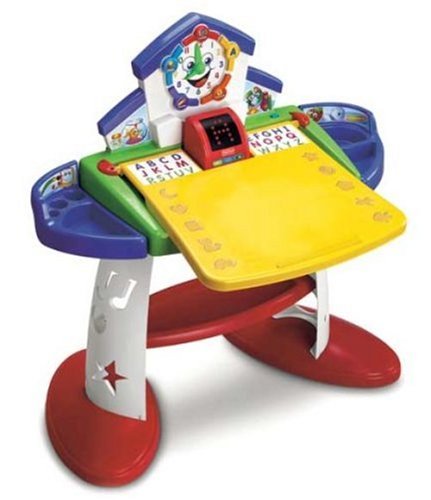
Fisher-Price Fun 2 Learn Preschool Center

!±8±Fisher-Price Fun 2 Learn Preschool Center

Brand : Fisher-Price
Rate :
Price : $59.99
Post Date : Nov 22, 2011 19:00:16
Usually ships in 1-2 business days


This 2-in-1 playset makes going to school fun. It creates a child-sized school-like environment that encourages imaginative play and learning. The center comes to life with speech, sounds, music, lights and fun characters. The light-up screen and clock character teach letters, numbers, shapes and weather. Kids can follow the lights to learn how to write. Or they can use the light-up shapes for drawing. Flip the tabletop up to discover tons of musical play. There's a piano and light-up drum character. Includes storage areas on the sides and underneath. Requires 3 "C" batteries (not included). Measures 30" x 17" x 34.5". Assembly required.

Prices Banana Bread Maker Recipe

Saturday, November 12, 2011

Performance Modeling For Organizational Learning

!±8± Performance Modeling For Organizational Learning

Synergistic Design is the process of improving an organizational outcome by actively seeking and encouraging synergy between the key perspectives of an organization - the business, purpose, technology and people (McKey, 2006).

Venture capitalists and corporate raiders continually seek synergy and improved performance by buying, dismantling, and putting back together various companies, retaining assets and shedding inefficiencies. It is not often we get to completely reinvent our organizations. Many organizations just happen and grow. Others, such as our institutions, are prescribed and then just amble along for many years, never blossoming and never withering. Performance for them is just meeting a set of minimum standards.

However programs and projects within organizations are prime candidates for design, rejuvenation and the application of synergistic design. Particularly those change programs that have an effect across the organization such as new systems implementation, the introduction of learning and development programs and in particular recent initiatives such as the development of high-performance cultures.

These types of programs tend to have a low efficacy and high failure rate within organizations due to their complexity and breadth. Any new program has to work hard to provide a vision people will invest time and effort in. And the high rate of failure is self-fulfilling since, to use the words of Lowell George, the participants always have "one foot on the platform and the other on the train" ("Rocket in my Pocket", 1977). Self interest reigns supreme.

Even worse is when we strike the antonym of synergy, conflict. While friendly rivalry within organizations is often encouraged it can become destructive when it boils over into out and out competition for resources. The recognizing and naming of dysfunctional behavior has been used in family therapy for many years. It is also a useful strategy for getting disparate groups in organizations to align their perspectives for the common good.

Putting Synergy to work

Yet reducing conflict and creating synergy is just a starting point for organizational change. It aids the design. We still require a way to provide clarity for common and personal goals. Once synergy is achieved within a work group or organization it can be applied in the building of what I term a Performance Model. Virtually any entity can be modeled for performance, from teams, to programs to the organization as a whole. Ulrich has recently used a similar model to describe the functions and role of a HR department.

A performance model has three layers or levels of framework based upon building capability, usability and performance.

1. Level one is to build Capability across the entity. This is the foundation layer for any endeavor. Seats and desks, information systems, HR, business and specific purpose functions. This is about infrastructure and business operations.

2. Level two is all about providing access and Usability to the underlying capability. This is where learning and development and other HR services have an important role to play. This is about process and business improvement.

3. Finally level three is all about Performance. Synergistic entities utilising all the capability to deliver outcomes that are greater than the sum of their parts. This is about creating value and business transformation.

The Performance Model

Performance means different things for different people in different roles. By defining the desired/required performance outcomes for each team or role we can consider what capability the organization needs to provide. This is usually obvious. For example information technology requires wiring, hardware, software, core skills, support, administration systems and so on. Entrepreneurship requires flexible delegation and decision-making frameworks.What is not always obvious is how we get from capability, which is often passive, to performance that is dynamic. The intermediate step required is about personalizing the use of the capability and utilizing it in context. Only then can performance outcomes be reached since performance itself is usually context driven. There is a missing step. Performance modeling is about personalizing that missing step.

Capability is an input. Performance is an outcome. Just by having the former does not guarantee achievement or success in the latter. Yet when organizations make investments in infrastructure and systems, often, almost no budget is allocated to ensuring that investment will yield results via improved performance. It is often left to chance and people's inventiveness.

In addition the capability layer does not actually do any work nor produce an outcome. This is the role of the usability layer. Only when we have adequate access to, and usability of, underlying capability can we produce a performance and hence only then can we measure the efficacy of our overall system and investment. So we can summarize the elements of a generic performance model as follows.

Layers

1. Capability

The Capability layer in any performance model is the foundation layer upon which the processes (usability) and performance layers reside. The average user does not need to know how this layer works, only its capability.

2. Usability(transfer)

Yet the capability layer is 'passive', it doesn't do anything. The Usability or transfer layer is where work gets done, using applications, skills and applying knowledge. Leveraging the capability.

3. Performance

While the above layer may provide you with the skills and means to use a word processor, for instance, it doesn't help you write an essay. The performance layer is the very human layer where individuals or groups apply meaning, solve problems and create new ideas.

Measuring Capability

In a business sense the required capability for an organization is what it requires to do business. In Marx's day it was land, labor and capital. For BHP it is access to resources, markets and plant for processing etc. For a marketing firm it is access to talent in an industry where intellectual property is the new capital. For most organizations their basic infrastructure provides all the capability they need. Buildings, classrooms, computer systems and the like. Industry specific technology is often critical.

Hence we also know how to measure and value capability. It is mainly tangible or at least has an agreed value. We use it to measure the book value of a company and we have a good idea of the cost of our investments in resources that provide the capability to carry out our organizational function or business. In learning and development for example capability is manifested in learning management systems, curriculum, content, learning resources and even teaching staff.

Measuring and providing Usability

Usability is probably the greatest area that affects the return on our investment in capability. While the capability layer has objective measures, here the measures are mainly subjective and intangible. There are still few standard measures for how well someone can use and apply a computing system. The two main measures used are competency and productivity. Poor usability in the form of low productivity is an invisible leaking of organizational funds and investment. Possibly the best way to reach high usability of an organization's capability is to provide personal and proactive support. I use the typical hotel concierge as a role model. Always available but not pushy, knowledgeable without being a know-it-all. While the cost of plugging the leak through proactive support methods may appear high initially it should return its investment reasonably quickly and increase both productivity and usability.

ELearning for example has a high failure rate. Quality issues aside one of the main failure points is poor implementation. Learners left alone in the new environment of eLearning often find themselves wondering what to do to succeed. Face to face communication is sometimes hard enough yet how do you get the most out of online discussions or engage in team projects at a distance? Time management, dealing with the technology and tackling tricky quizzes are all skills the learner must now manage alone. Many just give up in frustration.

One sure way to improve implementation for learners new to eLearning is to use the classroom. Using a facilitator to introduce people to the methods and techniques of self-paced and collaborative learning will quickly develop capability and confidence by doing. Learning new skills in a social setting improves learning and helps them concentrate on the task. Others and the facilitator are nearby to help or discuss tactics. They are learning about learning. While a classroom and facilitator may be more expensive to begin with the return on that initial investment will be repaid many times over through confident and engaged learners who can then succeed with eLearning.

Measuring and achieving Performance

As discussed above the performance layer is the very human layer where individuals or groups apply meaning, solve problems and create new ideas. It can be said that capability multiplied by usability equals performance.

Capability x Usability = Performance

Yet what constitutes sufficient, good or bad performance can be highly subjective. Both required and desired levels of performance need to be defined, agreed and articulated within all areas of an organization. This is not competence and requires a different language.

The contemporary interpretation of performance differs from traditional notions of productivity yet remains closely related to it. While productivity measures activity, as inputs and outputs, performance measures outcomes. For example Brent (2005) argues teaching is "above all, a performance art that unfolds in real time". Education has long been measured on outcomes. By viewing many traditional corporate roles and attributes such as customer service, management and leadership as 'performance' centric could change the way we prepare people for them and measure their value.

Possibly the most critical role for our concierge is in the easing and assisting of people through change. Change will undoubtedly bring anxiety and reluctance to anyone and the more resources available for helping individuals confront change and gain confidence with new practices will be rewarded. So just as a drama or sports coach turns rehearsal and training into performance we should also support managers, teams and individual learners achieve their specific outcomes.

Summary

This introduction to performance modeling shows that any organizational learning and change needs to consider an end-to-end approach to measure success. Just by providing the inputs and then leaving the outcomes to chance is a risky exercise. In an industrial age sense capability and usability were all that was required to be competitive in your sector. Yet more organizations now compete in the experience economy where performance is gaining importance over productivity. Still, we know little in an organizational sense of how to achieve a consistent high quality performance except by comparing with the competition. It can be argued that the first to set the performance standard in any sector will lead that sector (Apple iPod, Boost Juice, Nike). The performance is the manifestation of all the capability, resources, processes, training, people, passion and creativity.

Performance modeling looks at working top down and bottom up to ascertain what is required to bridge the gap between capability and performance. This 'missing' step is about usability and access to capability. It could also be called the transition step as taking inputs and putting them to work to produce outcomes is as much about organizational improvement or transformation as it is about productivity.

Paul McKey

Managing Director

Redbean Learning Solutions

© 2007- 8 Redbean Pty Ltd

References

Brent, Doug, (2005). Teaching as performance in the electronic classroom, First Monday, volume 10, number 4 (April 2005),

Pine, J, Gilmore, J. (1999). The Experience Economy. Harvard Business School Press, Boston USA.

Kotter, John & Heskett, James, 1992, Corporate Culture & Performance (Free Press)

McKey, PR, (2006), "The Synergistic Design of Organizational Learning Programs", Proceedings of AACE E-Learn 2006--World Conference on E-Learning, www.aace.org [http://www.aace.org]

Nardi, Bonnie A. (ed.), 1996, Context and consciousness: activity theory and human-computer interaction. MIT Press, Cambridge, MA..


Performance Modeling For Organizational Learning

Lexmark X4270 Driver Grand Sale Traeger Smoker Buy Now

Monday, October 24, 2011

Floor Globes - Just the Thing to Fill Up a Bare, Empty Corner

!±8± Floor Globes - Just the Thing to Fill Up a Bare, Empty Corner

There is this empty corner in your living room and it's starting to drive you insane. You've tried a number of different ways to fill it up. First, you started with a plant, but it died. Then, you decided on a table, yet that didn't work right either. So, you're stuck at square one. There is a simple solution to your problem and that is floor globes. One is just the thing to have that corner shine with beauty.

That's right, floor globes are decorative and are the perfect way to add style to that empty corner of yours. How is this feasible? Well, it is because they can be crafted from all sorts of eye-catching materials. For example, you can purchase one that is crafted from a combination of gemstones and silver with the base of the piece being built from silver supporting a globe that has inset gemstones. Or, you could purchase one crafted from wood that features an oak finished base with elegant carvings supporting a sphere that is also made from wood and has screened detailing. There are other material choices as well, so many that there just isn't enough time to talk about them all.

In addition to putting one in the corner of your living room, floor globes would also be a nice choice for adding to other spots throughout your home as well. One nice spot for one would be your den or office, it will offer you inspiration while you're working and will really add to the overall look of the space. Another nice place for one is an entryway as a nice spot to welcome guests as they come into your home. A few other options around your home where you could put one include the end of a hallway, in a dining area, and a family room.

Not only are floor globes a great choice for their pleasant appearance, but they would serve as a great learning tool as well. Remember, they are a globe and are a 3-D representation of the earth. Most will depict many important places that everyone should really know about like continents, countries, oceans and mountain ranges. There are some that even get more detailed than that and point on states, cities, capital cities, and rivers and lakes. Basically, they are a fantastic way to learn about geography.

For a fast and easy way to check out all the floor globes that are available, forget about going to a department store or shopping outlet. Nine times out of ten, they won't have what you want. Instead, jump on the Internet and do some online shopping. It's a breeze to look at all the choices since you just have to click through some pages on the computer screen. Then, when you do decide on something, it generally is at a pretty reasonable price and it will be shipped right to you.

So, if you have an empty corner in your home, fill it up in a beautiful way by investing in floor globes. They are fixtures that will be sure to please.


Floor Globes - Just the Thing to Fill Up a Bare, Empty Corner

Lowest Price Special K Cereal Nutrition Facts Graco Emelia Cheap

Monday, October 17, 2011

Leaders Make the Difference

!±8± Leaders Make the Difference

"There can be avoided. The eternal search for a sustainable competitive advantage leads us directly into the squishy softness of culture and character. Many businessmen do not like it. You do not feel good to talk to trusted colleagues, the ' honesty, purpose, values ​​and other topics from self-help section of the library that you are probably eaten by competitors to address these issues with taste in your face "-.. Geoffrey Colvin,"The Changing Art of Becoming Unbeatable," Fortune Magazine

All organizations have access to more or less the same resources. Draw from the same pool of people in their markets or geographic areas. And all we can to learn about the latest tools and techniques.

But not all organizations perform equally. In fact, there is an enormous gap between the high and low performance organizations. What does it mean? Quite simply, it is people. When the venerable Peter Drucker points out: "Of all thedecisions of a manager is not as important as the decisions on people, because they determine the ability of the organization. "

In his book, Inspirational Leadership, Lance Secretan reports on the role of managers in health care:
A hospital had significantly better results (61 predicted but 41 observed deaths), while another performed significantly poorer (58% more deaths than expected). Technically, there was little difference between thehospitals being studied. The significant variable proved to be the quality of leadership. What the researchers found in particular was the better performing hospitals achieved superior interpersonal dynamics among the intensive care unit staff. When leaders served their [staff] well, the medical staff was able to serve their patients better. The researchers reported that 'the degree of coordination of intensive care significantly influenced its effectiveness.'

And when it comes to people, the big difference is leadership.

"People are our most important resource." This management cliché dates back to the beginning of the modern organization. Yet all too often it's perceived as a tired old phrase with a high "snicker factor" in many organizations. Eyes roll as the boss dutifully mouths these words.

Meanwhile, investments in assets such as physical buildings, equipment, technology, products, and strategy development vastly outstrip investments in people. Little care is given to hiring and orienting the right people. Training is often an afterthought, given little strategic consideration and even less management planning and follow-through. Performance appraisals are bureaucratic "check off the boxes" exercises that cause more angst than development. Promotions are based more on technical or management factors than on proven people-leadership abilities. Teams exist in name only. Opinions and input from frontline people are rarely sought and often discounted. Processes and systems enslave rather than enable servers or producers.

For such an "important resource," people are assigned remarkably low priority in many organizations. The folly of this choice is recognized not only by the proponents of soft skills and values but is also supported by solid statistical studies and surveys.

"A Wharton [School of the University of Pennsylvania] study found that 'capital investments may be a strategic necessity to stay even with the competition,' but the investments in workers yielded far greater returns. Says Patrick Harker, one of the study's authors: 'Machines can't give you a competitive advantage. It's all about people.'"

A survey of the world's most admired companies echoed this viewpoint in the Fortune Magazine article, "What Makes a Company Great". According to the piece: "An MIT global auto industry study found that a major reason Toyota's productivity is far ahead of Nissan is because Nissan poured money into robots and computers while Toyota focused on people and processes. Toyota then used automation to support its people and processes.

A major international company studied their worker compensation claims and attitude surveys and found that where supervisors and managers are perceived to be more caring about people injuries and compensation, claims were much lower.

In the most admired companies, the key priorities were teamwork, customer focus, fair treatment of employees, initiative, and innovation. In average companies the top priorities were minimizing risk, respecting the chain of command, supporting the boss, and making budget.


Leaders Make the Difference

Enameled Cast Iron Skillet Guide Great Deals Marpac White Noise Machines Comparison Cheap Upright Pianos

Wednesday, October 12, 2011

AfroNeenjA - G1M2

Good Rice Paper Floor Lamps

Saturday, October 8, 2011

How to be a photographer

!±8± How to be a photographer

Have you always wanted to "seize the moment a" desperate, so keep that in the moment with you for eternity? If there is only one way to live that special moment ... least in the mind! Bless the guy who invented the camera. And bless all those who have brought photography to the state, is today - one of the most popular (maybe I should call it passion) in the world today!

While some of us have tried only in the photograph, might want to do some otherit is a job, a source of livelihood. Some have a taste for it, while others may acquire the ability for a period of time. The photography industry is one of the most modern - with the most modern equipment and technologies in the market every day.

How you can begin your journey of photography? Deep as it may seem, is the first step to successful photography to be discovered.

They like to travel or stay in the house?

Do you like the newPeople?

You have it in you, your thoughts and the ground to sell an audience?

Accept things for granted or have the courage to put up a tough fight?

Do you prefer the security risk it?

There is no right or wrong answer to these questions. The questions are intended to help only to find yourself, your tastes, your turn-on and on. Why photography offers a variety of ways to answer these questions (to you) will help you keep track ofright opportunities. For example, if you can not bear to see the blood, needles and disease, makes less sense to try the medical photography. Remember, photography is not just a camera click. These add a special touch to take the picture.

Once there it seems your interests in photography, is the closest thing you're talking about a professional qualification or not. Professionally qualified photographers who have moreAdvantage - not only for the degree / diploma earn. More because of contacts to build them. And the right contacts, the main driver for success in photography for some. Learning a picture of a school will also help you learn about the latest in the field - the latest equipment, technology and so on. With the added benefit of a faculty, will teach you the finer points. There are different types of schools - large companies that provide state-of-the-art infrastructureand small schools that your personal space. After some basic research (a lot of online content, and publish these schools), you should be in grade school right for you is zero.

If you do not commit the financial strength to take a course from a school, do not worry! As long as you have the drive and passion, you can be a star in the picture.

We recommend that you try to start as an assistant to an establishedPhotographers. As an assistant is not an easy task. You may need to sweep the office for cocktail parties, with a smile at the reception, knowing the right language and stay abreast with the latest in photography. As luck would have it a smart guy could also be a good stage school with the head shop. But this will prove to be a great experience with a great kick-start a career in photography that satisfies.

More than half of photographersthis world are self-employed. Magazines and also established organizations are often not professional photography in their permanent role. Freelancer gives you enough freedom to pursue your passion and even a couple of easy money. You can also easily multitask when you're freelance. Most of the tests, a freelance photographer, is to attract a new customer and keep the relationship going. To begin with, it is essential to a good portfolio of pictures that haveWill be reflected only on the potential and unique style of the person.

Wonder if the kick-start this work? If you have the momentum and rigor Beac long as there are weddings and graduation parties, newspapers and magazines, dance schools and mega-events, you will succeed!


How to be a photographer

Mountain Tents On Sale

Monday, October 3, 2011

It is the customer service your company fall?

!±8± It is the customer service your company fall?

Predicting customer behavior -

Suddenly the thought of the people and offer new perspectives, strategies where the customer has brought good and what you can stay in your strategies on the competitive advantage. This is an advanced strategy, but that's going on in the excellent customer service. Think about it and customize it to your current level of excellence in customer service.

It is a simple formula to predict but strategic customer behavior:

In hindsightIn addition, Insight Foresight same

As a result, the information from an index of well-thought customer satisfaction is collected. Why do people buy a particular product or to a specific place to invest in a particular property, etc.? What I knew about this experience? They would return to buy again or to find someone? Basically, these are very important questions later.

What is the Insight section of the formula?

The Peppers and Rogers Group (a consulting services company)".... In the old paradigm says direct marketing is the problem it was predicted that customers are more likely to buy product X from a customer-oriented perspective, however, the question becomes, what product (service) is no longer necessary and the customers wanted to be X. "

In other words, by tradition, a group of customers most likely to buy a specific product and identified with a data base with appropriate vendors and intelligent, and much moreChannels of advertising would be a certain number of nights or products or services sold.

In the new paradigm, companies need to know what customers will need or want them to remain competitive and to be faithful. This moves the customer service side very sophisticated extraordinary level of customer service - intuition, prediction of customer behavior.

How to build an understanding of the business needs of your customers?

Acquiring knowledge - please note, more thanadvanced strategy is not to discover what customers want to buy through your new service, etc., but on who they are, what are the most important issues in their companies who are their competitors, what are their main concerns, and so on. Knowledge is gathered in order to predict what customers want and need, as you were, what keeps them competitive and in turn to buy you true.

For example, to acquire knowledge:

Make a list of allthe way that the customer comes into contact with your company. These are described as points of contact. Customers have to call or visit your website before you buy? They call them after purchase, or during the purchase process? People come to you or hand you over to them? Their sales staff, janitors, technicians, etc.

Then:

1 Identify the key account

2 Create a file named for each account

3 Never put a list of questions appropriate to your customers at every point of their contactbusiness or personal preferences.

4 Create a dialogue with the customer, build the relationship.

Take Action

1 Send all information in a database. For large companies, there is a very good for these programs - not only for entry but also for data mining. For small businesses, sometimes people will do it manually.

2 Train your people in the art of building relationships. If you already have a company culture with excellent customer service,This will be easier, but if your company is right in front of the training or no training at all, this strategy might not know where to start. Good to learn about how and where you go.

3 They have short meetings to determine a day or more a week to discuss the results, and other information you need to get your people working on the next generation of innovative products or services that customers want and need the most important. As the relationship continues to build with yourKey customers are to share more information with you to do a better job of predicting their behavior.

Working at the extraordinary level of customer service hours to help your key accounts are more competitive in their market and true to you.

Measuring Results

The measurement of results is easier, because the relationship with your key accounts. The feedback is immediate and so are the successes or failures. Basically it lets you make adjustments account of thisthe entire process. At this point the cycle begins - acquisition of knowledge, to take steps to measure results.

The biggest surprise

In some companies today, which is based on the relationship between customer and supplier has a high degree of confidence in the customer accounts must be opened to the provider, to help predict the provider what the customer might need or want. It 'true that the world is changing rapidly from an excellent customer service.

How does the benefit of hindsight and InsightForesight same?

Foresight is to ask if we can answer this question - What is the value of your company to your customers? Really, this is a question for the local clothing store, auto mechanic, automotive, global data management centers, hotels, etc., etc. Your company is a provider of services or offers good vision?


It is the customer service your company fall?

Coupon Marcy Recumbent Mag Bike Saved Crosman C11 Brand New Fuel Elliptical Machines

Sunday, September 25, 2011

Russian Academy System

Russian education system is different from Americans. Preschool age of 6, there is the Sunday school, we are learning how to write letters and read. So if you go to the first class at the age of 7, you must write and read. September 1st is a day of knowledge in Russia. All schools are celebrating this day, so we face the congregation of the school. We sing songs, give our teachers with flowers and congratulations to a class because "For the first time in first class. They are afraid to say you do not know anyone. Gothe class and sit at the table and your school life begins. Teacher is very nice to you. A school year appeared to 4 parts is called the neighborhood. So we have autumn holidays. Winter and spring break 1 week, and, of course, the summer break. Then we enter the second class, you are repeating what you learned in first grade. The classroom looks like her, 3 lines, 20 bridges, where two people sit at a desk. Classes start at 8:30 and ends at 14:00 clock. We have 10-minute break between classes and a long30 min break after 2 lessons. Normally we have 6 hours in 1 day, every hour for 40-45 minutes, sometimes 35 on Saturday We have A, B, C, D and E classes. We have the same people, from 5 to 9 Class I, for example, 5 A-class was, we had 30 people in our class, and I was with them until my 11 th class. In America, junior, middle and high school three different types of school three different buildings. In Russia we have a building for this school. 1.2, are in first degree plan, which is 3.4...

Shop Bosch Kitchen Mixer Yamaha Outboard Spares Immediately


Twitter Facebook Flickr RSS


Français Deutsch Italiano Português
Español 日本語 한국의 中国简体。


Sponsor Links